The city around the recital
Chopin in Warsaw: what to see
Where Chopin lived, studied and is remembered in Warsaw: the Old Town, Holy Cross Church and his heart, the Chopin Museum and the Łazienki monument.
Reserve a recital seat ↗Quick answer
Chopin grew up in Warsaw and left on 2 November 1830, never to return. The places that hold his story lie close to the Old Town hall: Holy Cross Church, where his heart rests in a pillar, the Krasiński Palace annex where he lived, the Chopin Museum in the Ostrogski Palace and the bronze monument in Łazienki Park. Visit any of them before or after a recital.
Start with the dates
Chopin was born at Żelazowa Wola, west of Warsaw, in 1810, and his family moved into the city that October. He studied at the Warsaw Lyceum and then at the Warsaw Conservatory, where Józef Elsner taught him composition. On 2 November 1830 he left Warsaw, a few weeks before the November Uprising began. He settled in Paris and never came back to Poland. He died in Paris on 17 October 1849, aged 39. The baptismal record gives his birthday as 22 February 1810, but the composer and his family used 1 March, which is now generally accepted. His final conservatory report in July 1829 read: exceptional talent, musical genius.
The Old Town and the hall
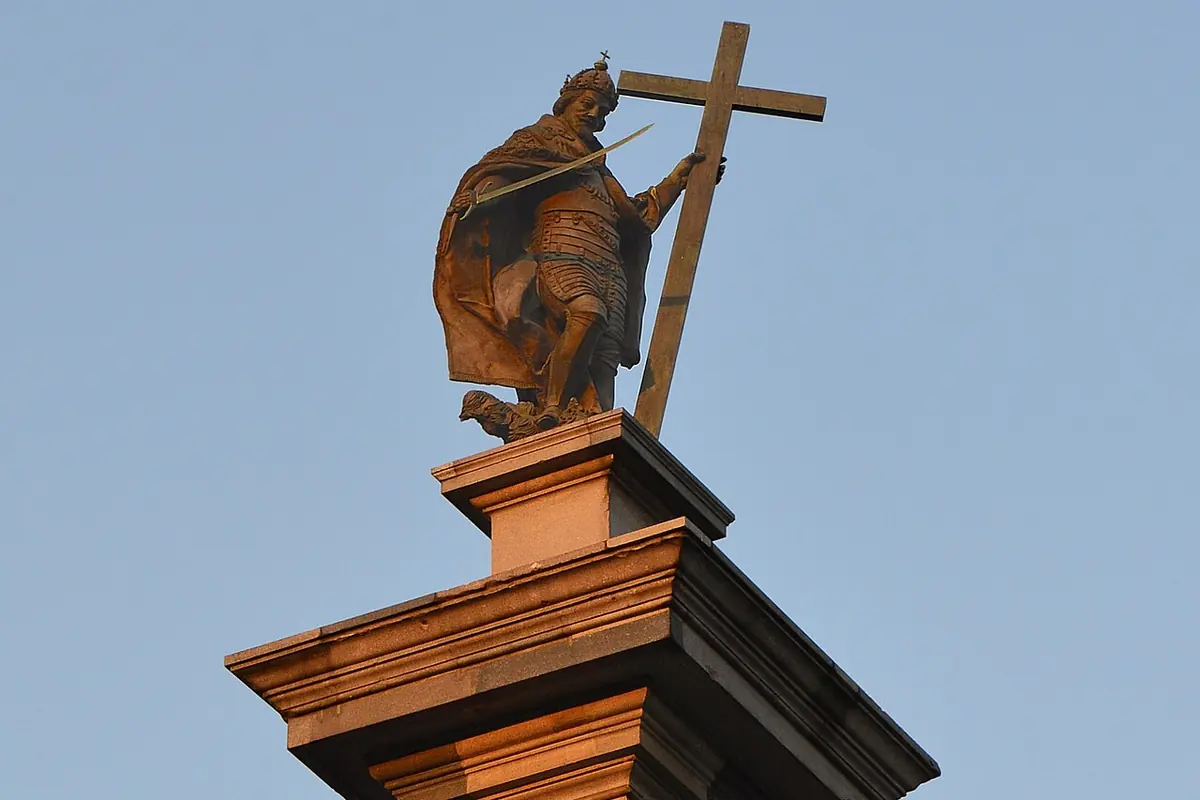
The recital hall stands in the Old Town. Almost all of the district was destroyed in the Second World War, and most of the rebuilding took place between 1947 and 1951. Builders worked from the 18th-century views of Bernardo Bellotto and from drawings made by architecture students before the war. UNESCO listed the historic centre in 1980. When you walk to the hall you are walking through a reconstruction, which is part of the story the city tells. The Market Square was laid out in the late 13th or early 14th century, and Castle Square holds a column raised in 1644. These are the squares you cross on the way to the hall.
Holy Cross Church and the heart
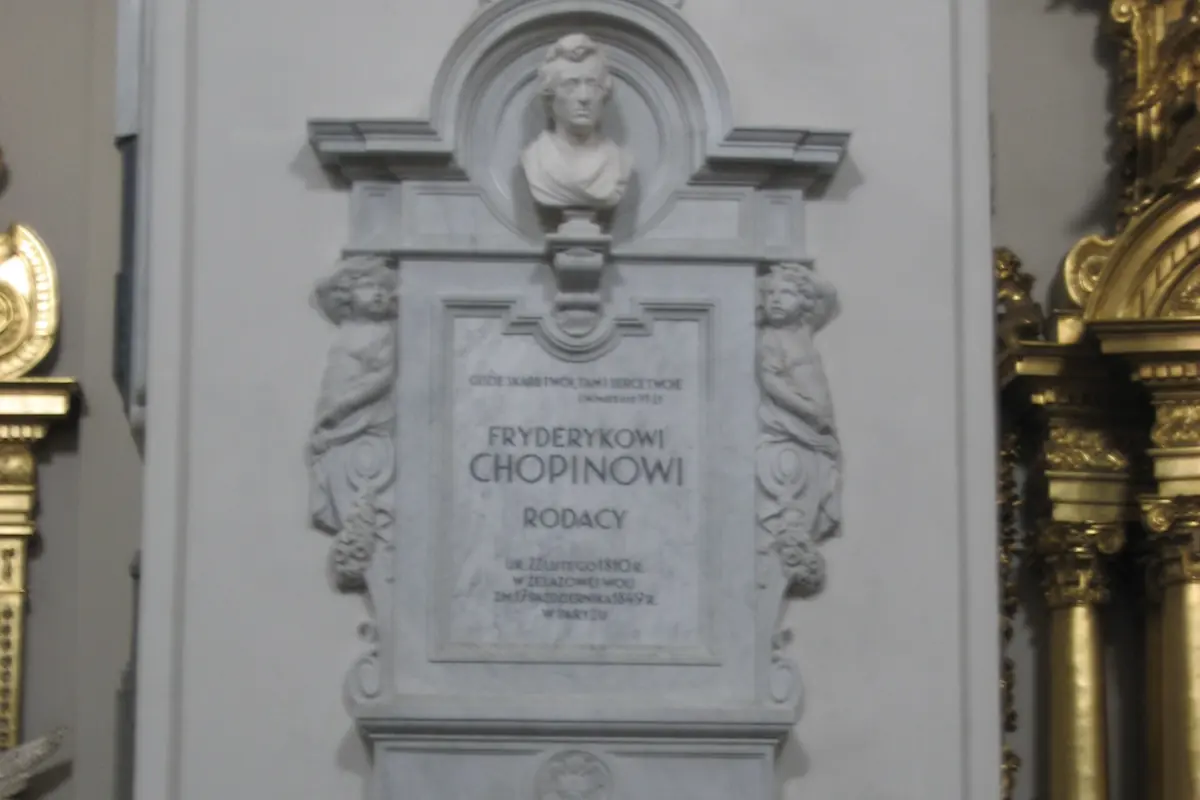
Holy Cross Church stands on Krakowskie Przedmieście opposite the University of Warsaw. Chopin's heart is kept in a pillar on the left side of the upper church. His sister Ludwika carried it from Paris to Poland in 1850, after he asked for it to be returned. It spent the Second World War away from the church and came back to the rebuilt building on 17 October 1945. A tablet marks the pillar. The church dates from the late 17th century and was destroyed in 1944 and 1945 before it was rebuilt. The heart has its own guide on this site. Sources differ on the year the urn was set into the pillar, so this guide leaves that year out.
Read next: Chopin's heart in Holy Cross
The Krasiński Palace annex
In 1827 the Chopin family moved into lodgings in the south annex of the Krasiński Palace, also called the Czapski Palace, on Krakowskie Przedmieście. Chopin lived there until he left Warsaw in 1830. The church of the Holy Cross stands next to it. You can see the street front from the pavement, and it takes a minute. Treat it as a marker on the route rather than a stop of its own, and check separately whether any part is open to visitors. From 1817 the family had lived in a building next to the Kazimierz Palace, where the Lyceum had moved.
The Chopin Museum
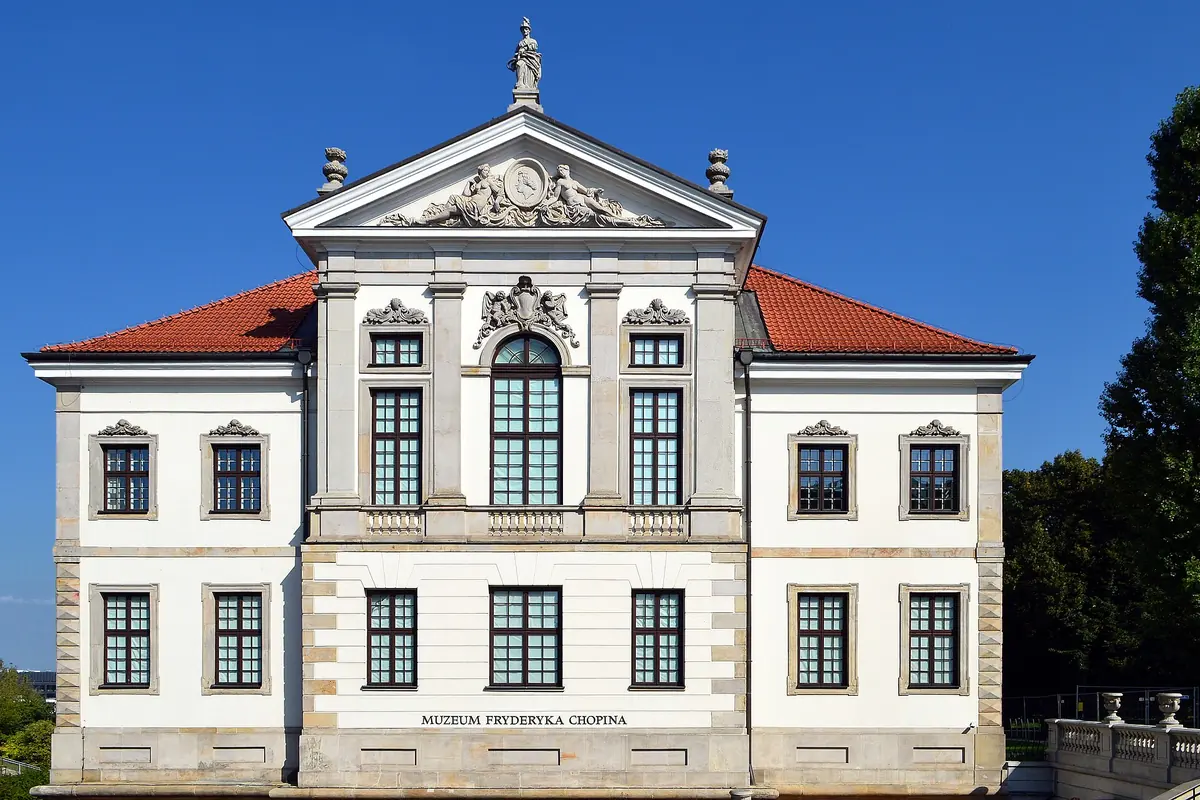
The Fryderyk Chopin Museum occupies the Ostrogski Palace on Okólnik Street. It was first established in 1954 and was refurbished for the 200th anniversary of Chopin's birth in 2010. The Fryderyk Chopin Institute has operated it since 2005, and the collection includes original manuscripts and documents written by the composer. If you only have time for one indoor visit, this is the one that shows the music on paper. Check the museum's own site for current opening days. The Institute began building the collection in 1935, and it also holds photographs, sculptures and letters. A museum visit takes time, so keep it for a different part of the day from the recital.
Łazienki Park and the monument
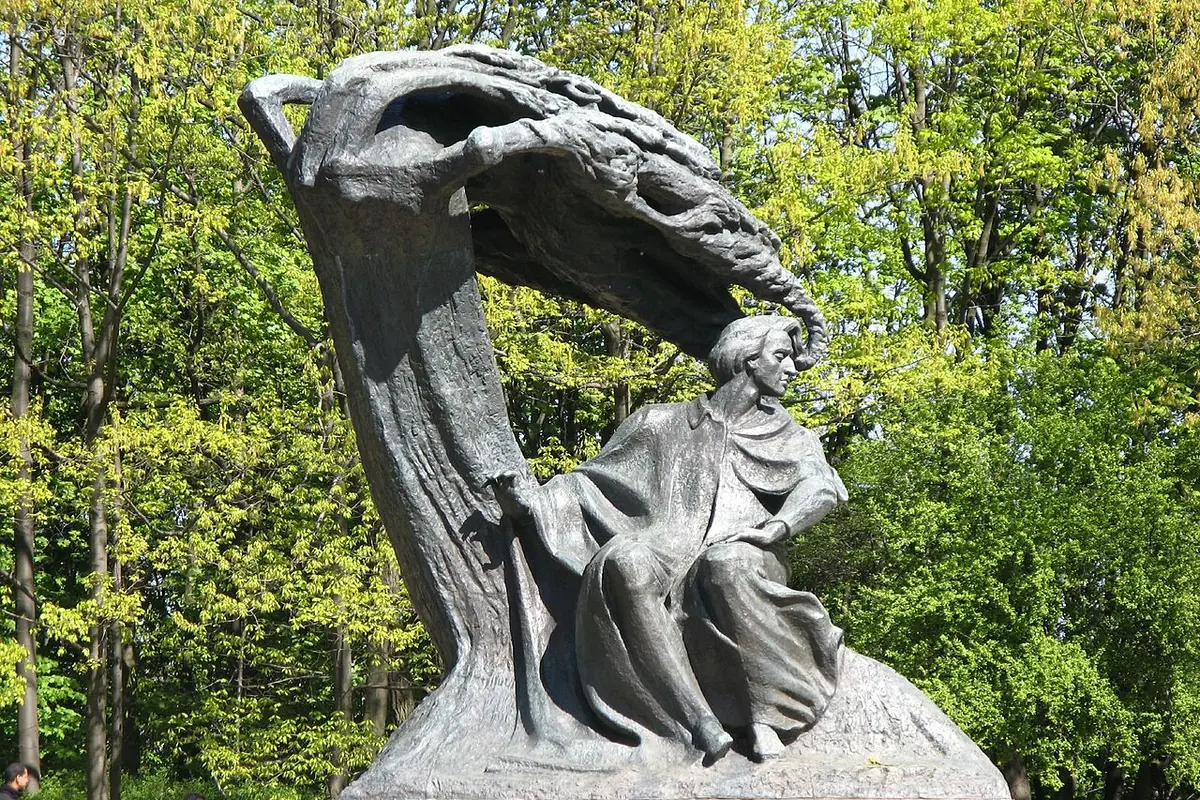
The Chopin Monument stands in the upper part of Łazienki Park, beside Ujazdów Avenue. The sculptor Wacław Szymanowski designed it, and it was opened on 14 November 1926. German forces blew it up on 31 May 1940, and a replica cast from the surviving mould was set on the original site in 1958. Free piano recitals have been held at its base on summer Sunday afternoons since 1959. In winter the park is quiet and the bronze is still worth the walk. The figure is bronze and the pedestal and basin are red Wąchock sandstone. Szymanowski's design dates from 1907, when a monument was planned for the centenary of Chopin's birth.
Żelazowa Wola, if you have a half day
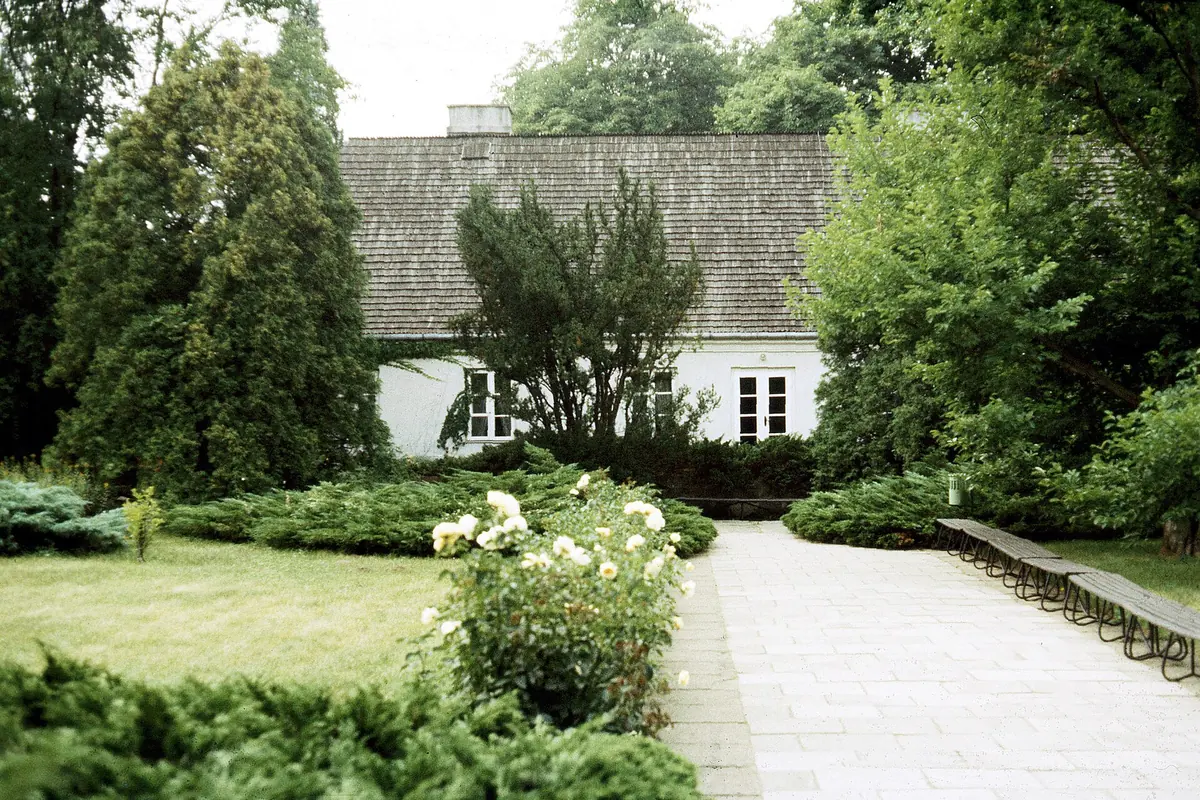
Chopin's birthplace is the manor house at Żelazowa Wola, about 46 kilometres west of Warsaw. It is a separate trip with its own travel time, so treat it as a half day on top of the city. The house and its garden show where the story starts. Check opening days and how to get there before you plan around it, because both change with the season. The family left Żelazowa Wola for Warsaw that October, a few months after he was born. Because it lies outside the city, the trip works best on a different day from the recital.
Grouping the stops
Holy Cross Church and the Krasiński Palace annex sit together on Krakowskie Przedmieście. The hall is in the Old Town. The museum is on Okólnik, and Łazienki is a park in the city's south. Put the clustered stops in one walk and take the park on a different day. Giving each place a short visit rather than a long one is easier on a tight schedule, and the recital works best as the quiet end to a day of walking. A simple split is one morning on Krakowskie Przedmieście and the Old Town, one visit to the museum, and one afternoon in the park.
What the recital adds
The places give you the man; the recital gives you the sound. Chopin gave only about thirty public concerts and preferred salons, so an hour in a small neoclassical room is close to the way he was heard. After a morning at the museum or the church, the same études and polonaises sound different. Plan the visit in that order and the evening needs no explaining. Pieces such as the Revolutionary Étude, which legend ties to Warsaw in 1831 although the link is apocryphal, take on more meaning after the walk.
Read next: Fryderyk Concert Hall tickets
If you only have one evening
Book the recital, arrive early enough to stand outside Holy Cross Church or on Castle Square in the light, and walk into the Old Town for the concert. The heart and the monument can wait for a longer stay. A single evening gives you the music and the setting, which is enough to make the composer's connection to Warsaw plain. A second day can then follow the museum, the palace annex and the park. Choose a start time that leaves daylight for the walk, and let the booking calendar show you which times are open.
Who this isn't for
This route is not for anyone who wants a deep Chopin scholarship trip in one evening, because the museum alone repays hours. It is also not for travellers who dislike walking in Warsaw weather, since most of the stops are outdoors and the park is large. If you prefer to stay indoors, the museum and the recital make a complete pair. Anyone who wants a full historical tour of Warsaw will need another guide. Families with very small children may find the museum and church visits long, and the park is the easier stop.
Frequently asked questions
Where is Chopin's heart?
In a pillar of the upper church at Holy Cross Church on Krakowskie Przedmieście in Warsaw. His body is buried in Père Lachaise Cemetery in Paris.
Did Chopin ever return to Warsaw?
No. He left on 2 November 1830 and never returned to Poland. He died in Paris on 17 October 1849.
Where did Chopin live in Warsaw?
From 1827 until he left, his family lodged in the south annex of the Krasiński Palace on Krakowskie Przedmieście.
Is there a Chopin museum in Warsaw?
Yes. The Fryderyk Chopin Museum is in the Ostrogski Palace on Okólnik Street and is run by the Fryderyk Chopin Institute.
Are there free Chopin concerts?
Free piano recitals have been held at the Chopin Monument in Łazienki Park on summer Sunday afternoons since 1959. Check the season before you go.
How far is Żelazowa Wola?
About 46 kilometres west of Warsaw, so allow a half day for the round trip.
Sources